
NOTE: This is a post that I began writing in 2017, back when I was last trying to blog. In order to wash away any guilt about not blogging for so long, I feel like I should go ahead and publish it in some form. One of the reasons I never completed this particular post was the challenge of finding good resources on the history of steel. Fortuitously, Bret Devereaux’s acoup.blog now has an incredible series on the history of iron and steel. I can’t hope to match the quality of that series, so suffice it to say that you should read that if you want to know about pre-modern steel production (albeit mainly from a Western perspective).
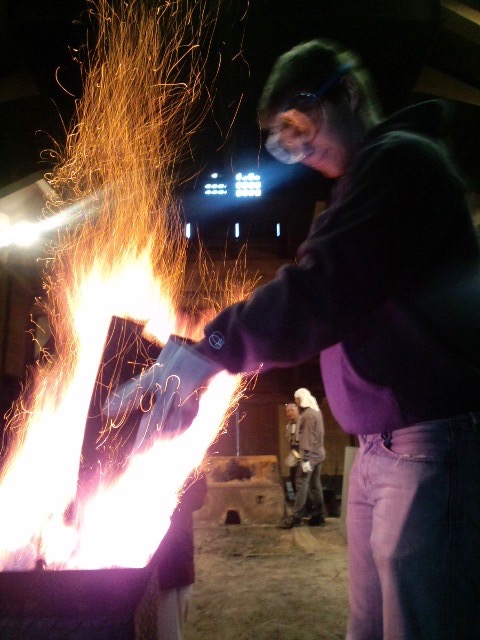
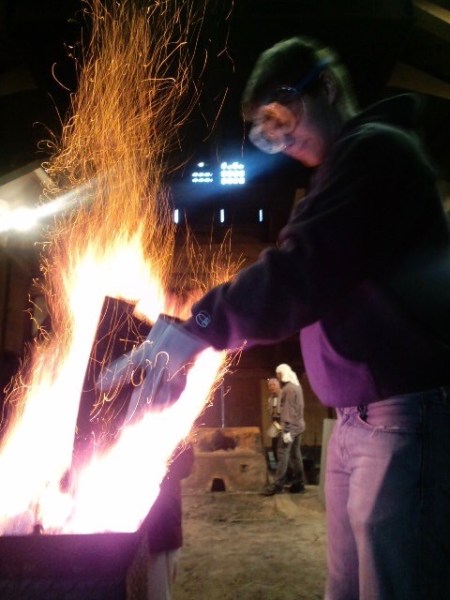
I’ve been fascinated lately with the ancient history of steel manufacture. The seeds for this fascination were almost certainly sewn during the year I lived in Shimane, Japan in 2009-10. That prefecture was the biggest steel producer in the country throughout history (by the end of the Edo period over 80 percent of Japanese steel was made there). I even had the opportunity to participate in a small-scale traditional smelting operation with some of the craftspeople keeping the tradition alive.
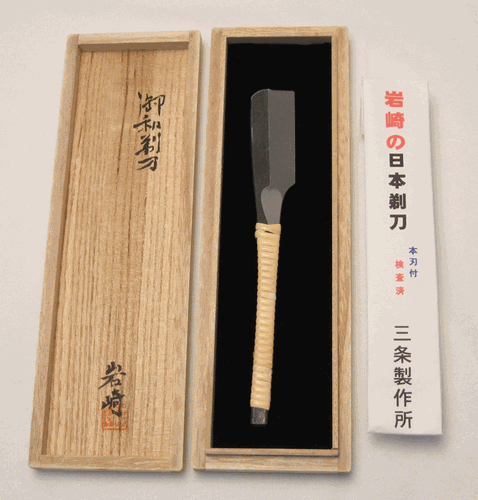
During this initial steel obsession, I picked up a nice Misono carbon steel knife and tried learning to shave with a traditional Japanese-style razor (this didn’t go well). If I were, say, a marooned Dutch sailor in the 1600s, I may very well have settled down and tried my luck as an apprentice smeltmaster, but being a modern non-Dutch non-sailor, I soon returned to the US and didn’t think much about the exciting history of steel for the next half-dozen years.
The steel-making tradition resurfaced in my consciousness occasionally when sharpening my kitchen knives or considering purchasing new ones. Even in its dormancy, my passion for fine steel meant I was plenty willing to invest in good knives and accessories, but as a person of science, I was also extremely frustrated by the confusing combination of pseudoscience and marketing buzzwords surrounding the world of high-quality knives.
This frustration and curiosity came to a head during a day or two of binging on various internet information about camping, “survival”, and “bushcraft” knives. Most American websites and online stores dedicated to the topic had kind of a post-apocalyptic, Ted Nugenty vibe, so I found refuge in a YouTube channel called Dutch Bushcraft Knives that was a little more moderate. I don’t know if it was the in-depth discussion of various steel alloys appealing to the material scientist in me or the charming Dutch hosts reminding me of my Edo-period-castaway-smeltmaster fantasies, but a couple hours of videos featuring Swedish mora knives, artisan American-made blades, and Japanese water stones sent my steel obsession level to new heights.
For a while I decided to buckle down and really figure out this whole steel thing. I scoured the internet and book stores (including my beloved Powell’s). I found a book all about the history of salt, but nothing comparable about steel. I also found lots of strong opinions, both scientific and artisanal, about what exactly “Damascus steel” is. I came across a few interesting examples of experimental historical endeavors, like the TMS bladesmithing contest. I also discovered a great book about Japanese sword making. But alas, as far as finding some perfect harmony of historical records and modern science that would let me bring all the glory of Masamune’s legendary blades to my chopping of green onions, I came up empty handed.
The irony is that while forging superior edged weapons and tools defined the state of the art of steel technology–and at times maybe all technology–for most of history, it’s now surprisingly hard to find any reputable, scientific sources of information to back the semi-scientific claims of edge retention and Rockwell hardness that permeate modern knife marketing. It’s fairly understandable why this is the case. While sharper or harder blades may have been critical to military success in, say, the 13th century, once the whole scientific method thing really picked up steam, guns and cannons had pretty well made swords and spears obsolete. Now the modern state-of-the-art steels that dominate the metallurgical literature are used for things like I-beams and ship’s hulls.
I guess producing the ultimate edged weapons and tools may forever be a lost art, with its glory days locked in the past, like the art of getting my Windows Media Player MP3s perfectly organized and synced with my Dell Digital Jukebox. Next time I’m at Sur La Table shopping for the highest-Rockwell, Swedish-steel, Japanese-forged Damascus chef’s knife, I’ll just have to embrace the mystery.
 Kevin Bell's Blog